

Siding contractor in San Francisco
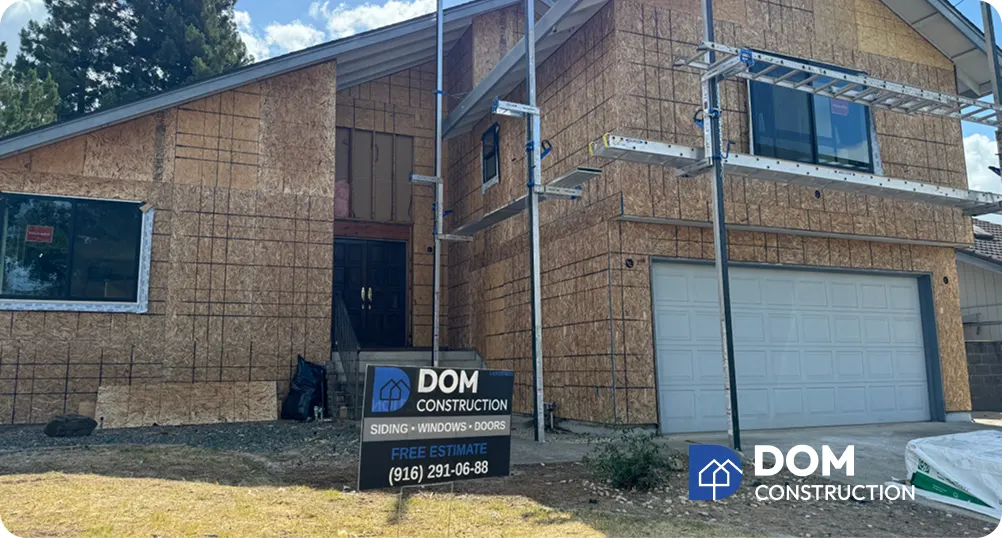
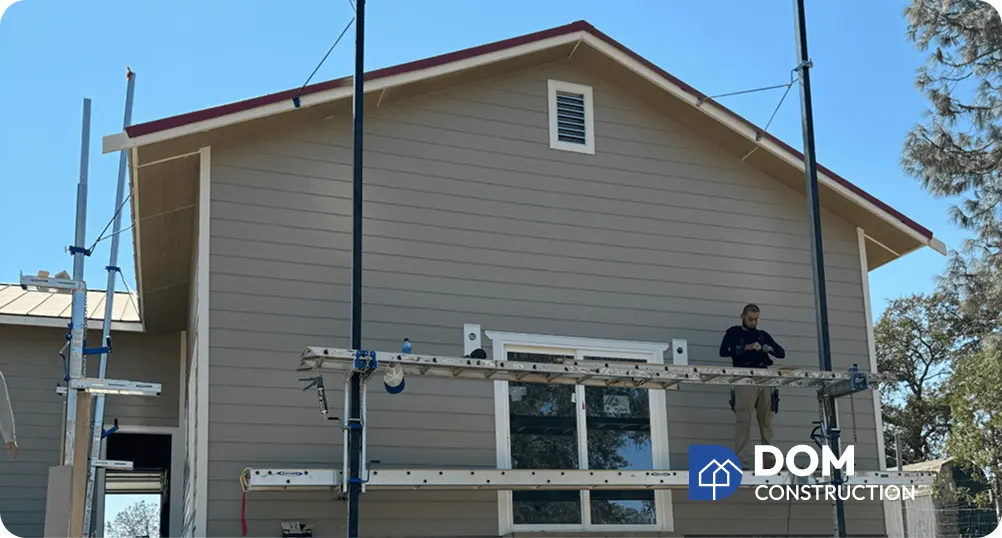
Re-siding a San Francisco house is its own craft. Homes stand wall to wall, scaffolding has to fit on a narrow sidewalk, and the facade often faces a design review. We have completed 15 siding projects in the city, from the Outer Sunset to Bernal Heights, so we plan for these details from the first visit.
Fog, salt air and 100-year-old redwood
Original old-growth redwood siding is tough, but after a century of paint layers and ocean fog it starts to fail at the bottom courses, window sills and under bay windows. In the western neighborhoods the wind drives fog and mist into every gap, so water sits behind the paint for months. When we open these walls we often find soft sheathing and old building paper that has turned to dust.
How we approach a city project
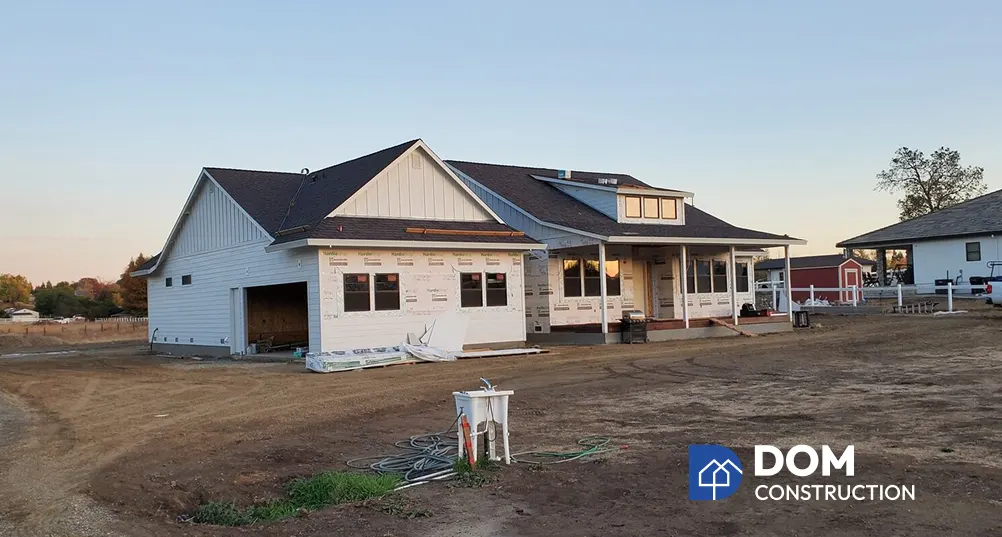
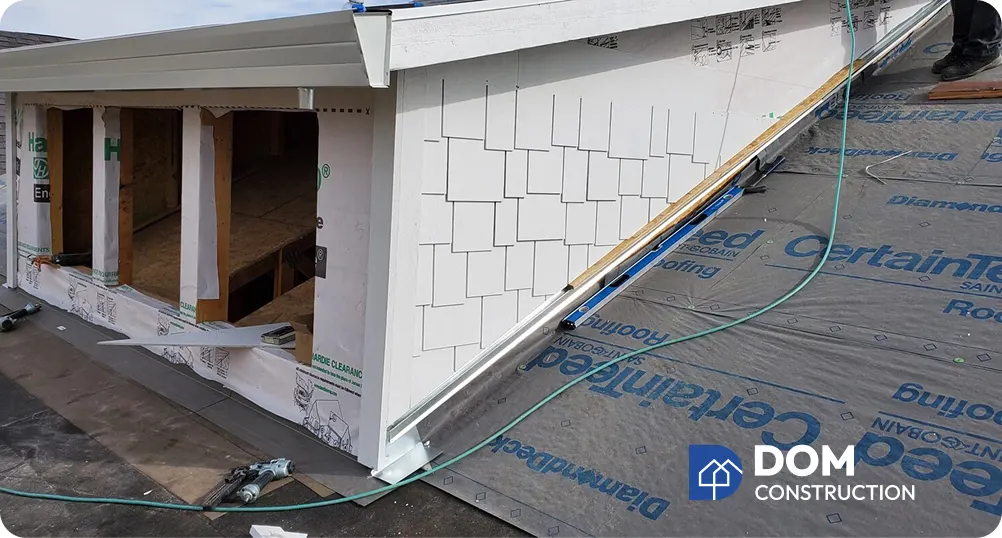
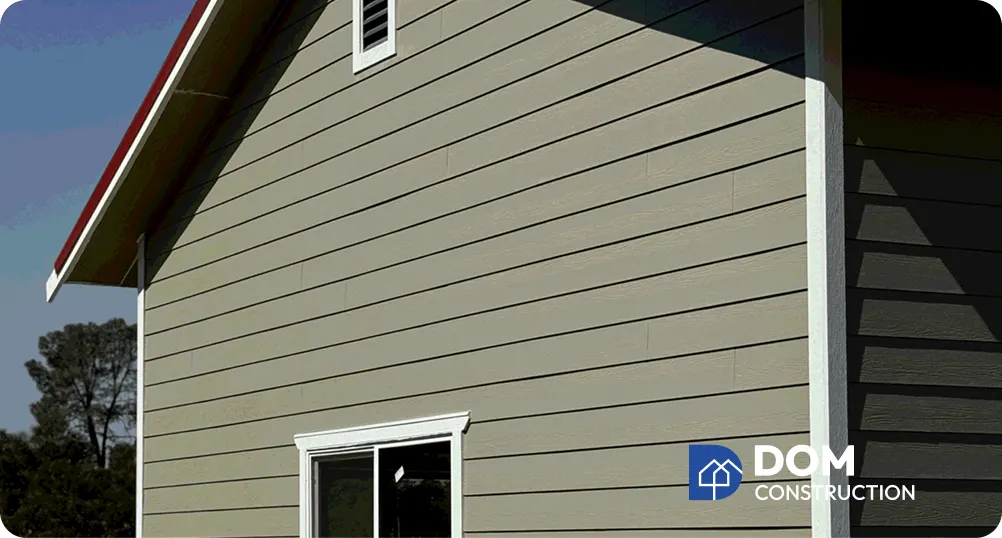
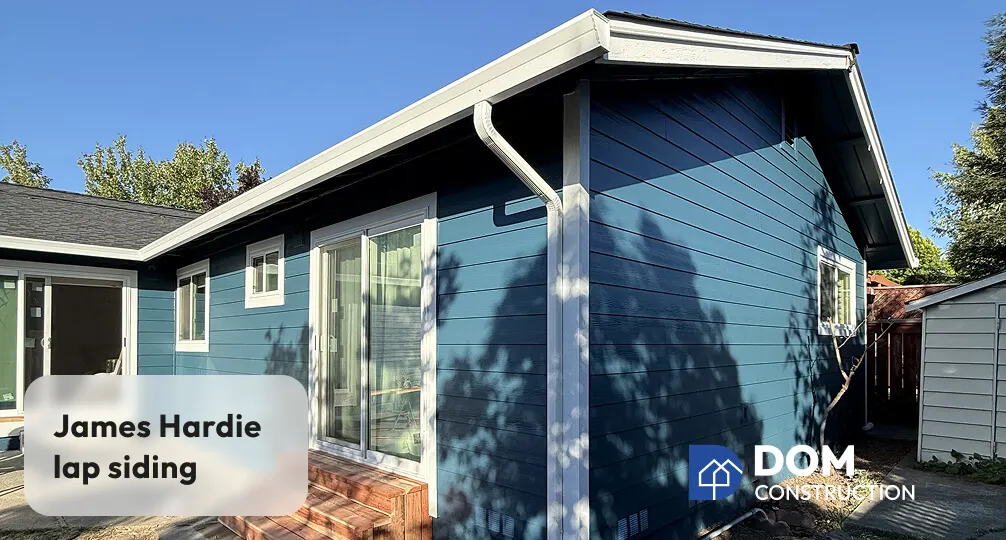
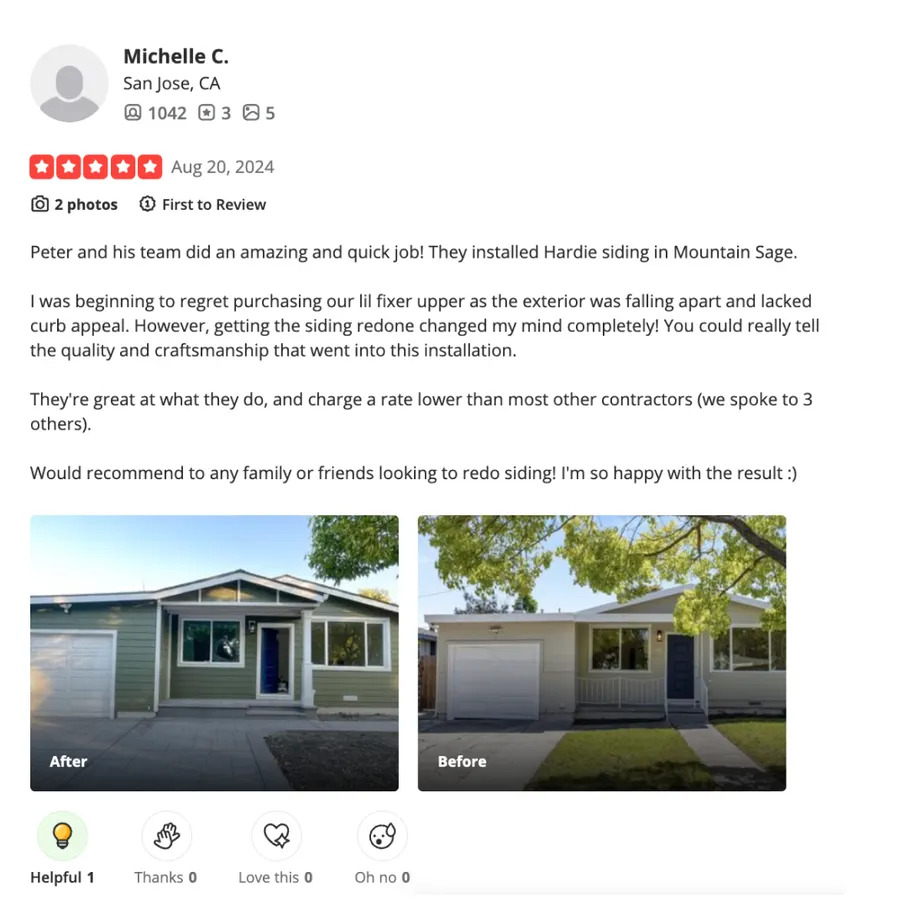
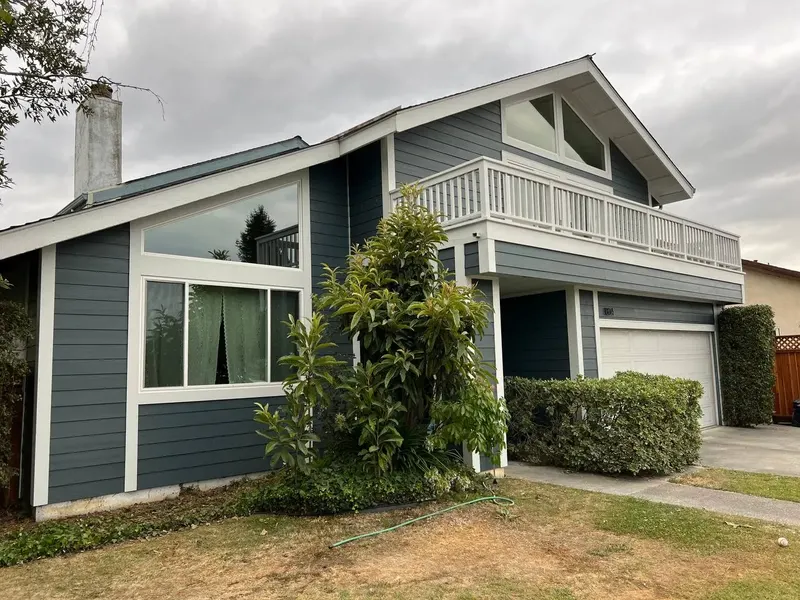
We photograph and measure the facade first, because front elevations in many neighborhoods are reviewed by the Planning Department before work starts. On the sides and back we usually replace old wood with James Hardie fiber cement, which does not rot in constant moisture. On the street face we can match historic profiles, such as shiplap or narrow lap, so the house keeps its character.
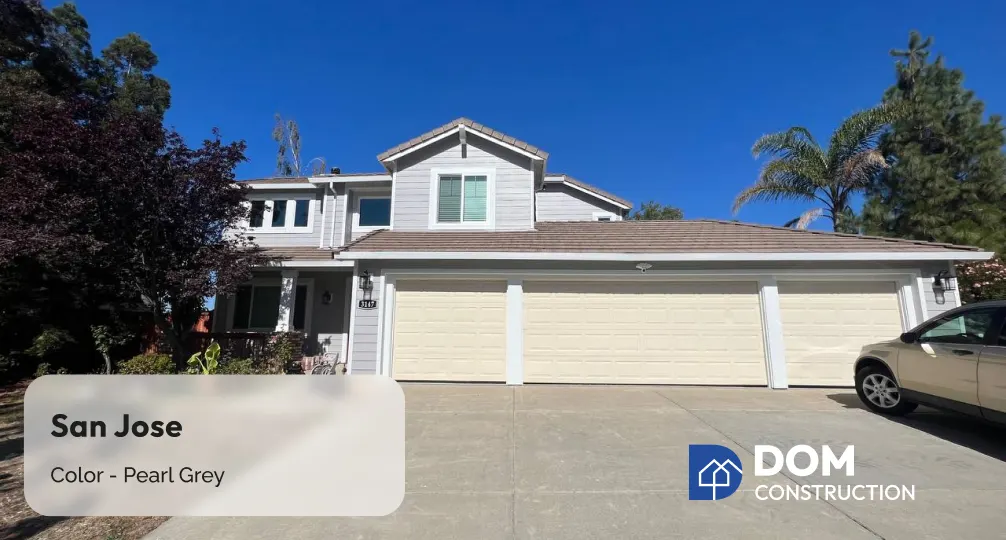
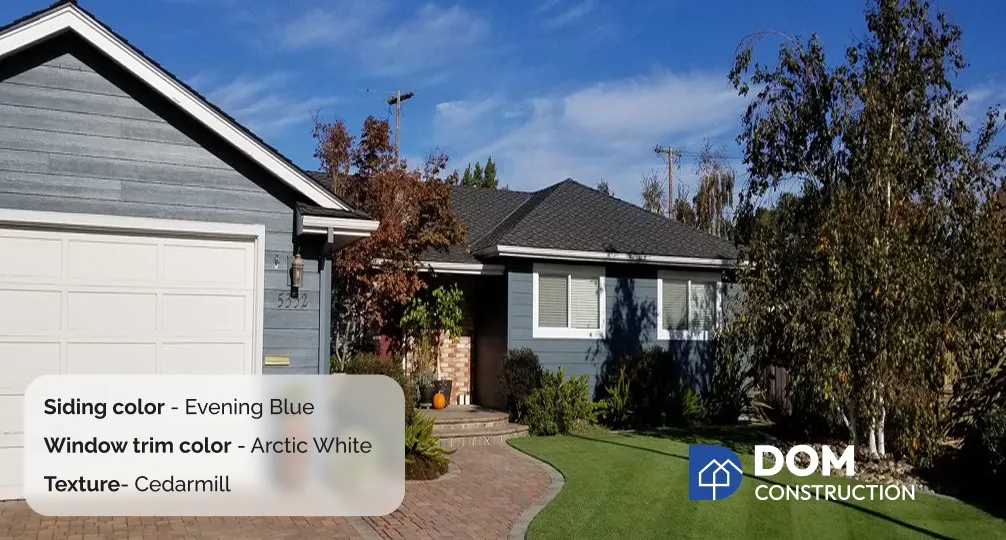
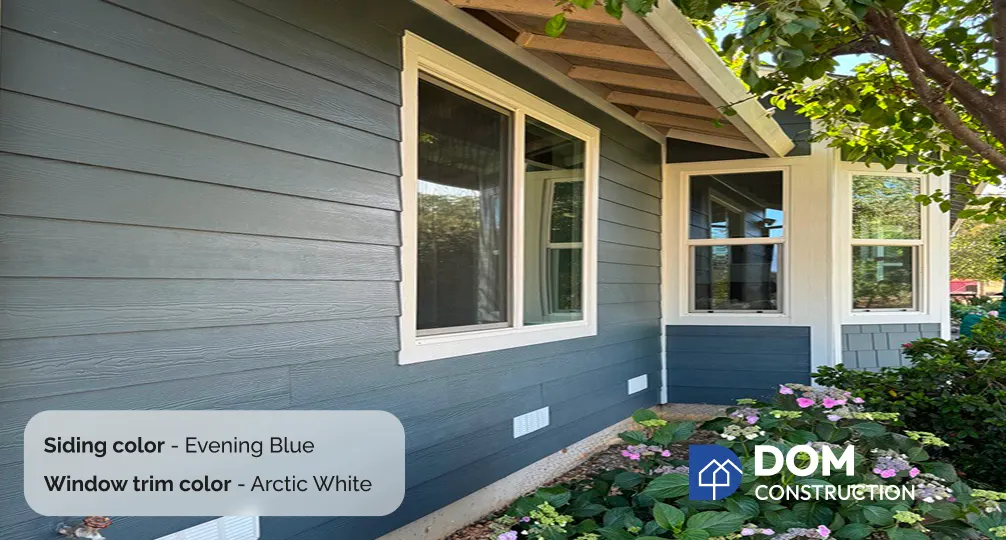
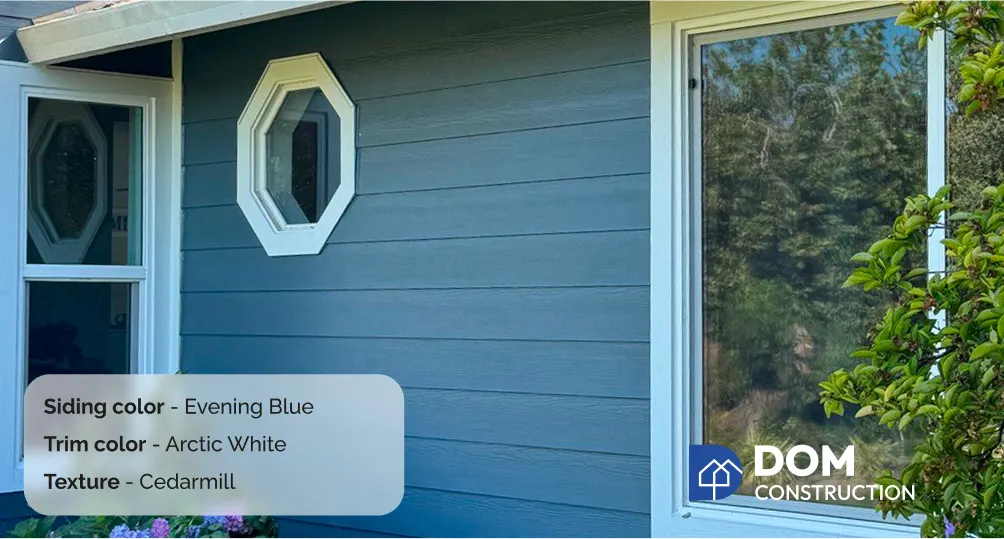
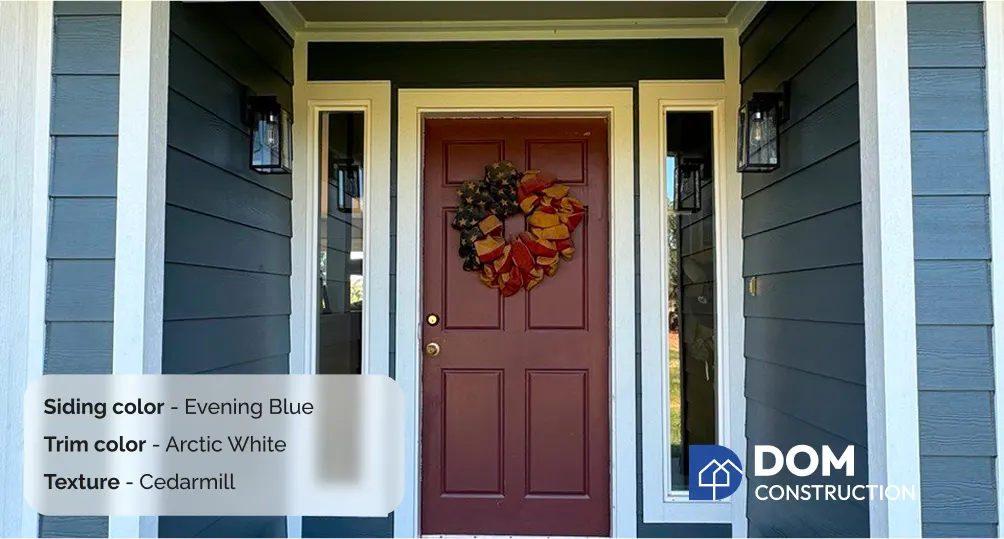
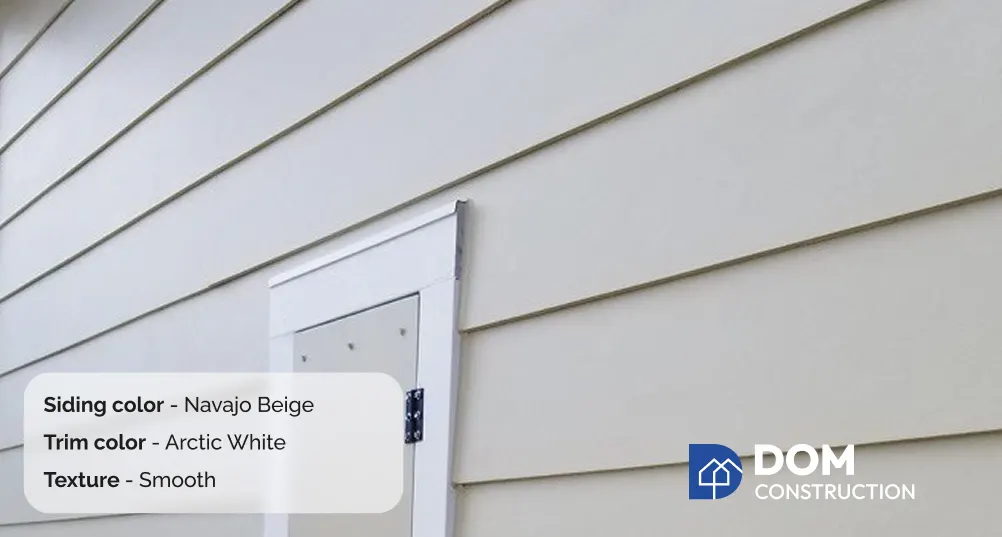
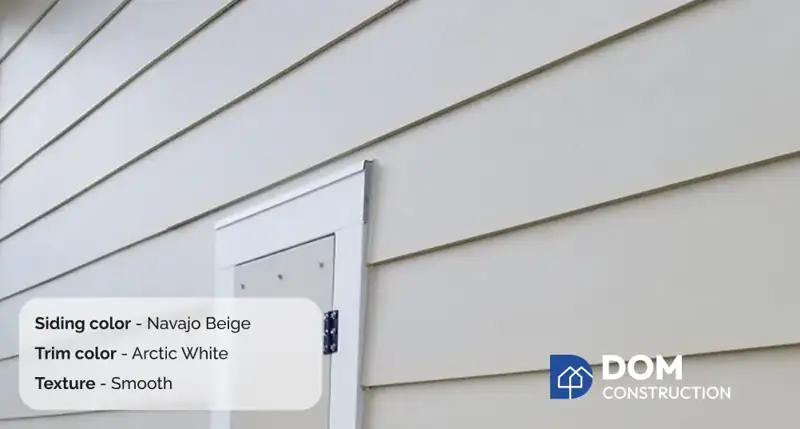
Popular here: HardiePlank smooth lap in Arctic White, Light Mist or Pearl Gray, with crisp white trim that suits Victorian and Edwardian lines.
Party walls and tight lots
Many San Francisco homes share a wall or sit inches from the neighbor. We coordinate access with the neighbors, use non-combustible siding on property-line walls where it matters, and keep the sidewalk clean and passable every day.
Siding permits in San Francisco
Siding replacement in San Francisco is permitted by the San Francisco Department of Building Inspection (DBI). Since February 13, 2026, in-kind siding replacement permits in San Francisco are filed online through the PermitSF portal, and the city aims to approve most of them within two business days. Landmark (category A) buildings need SF Planning approval first. Street-facing changes of material or profile can take longer than a like-for-like rear wall. We file the permit, schedule the inspections and keep the signed-off card with your project file.
Before choosing a material, check your address on the CAL FIRE Fire Hazard Severity Zone map. In a mapped zone, California wildland-urban interface rules apply to exterior walls, and noncombustible James Hardie fiber cement is one of the simplest ways to meet them.